Tiered Rewards Systems: Analyzing Loyalty Structures and User Activity in UK Betting Apps
Written by Cameron Walter · Jun 21, 2026
Tiered Rewards Systems: Analyzing Loyalty Structures and User Activity in UK Betting Apps
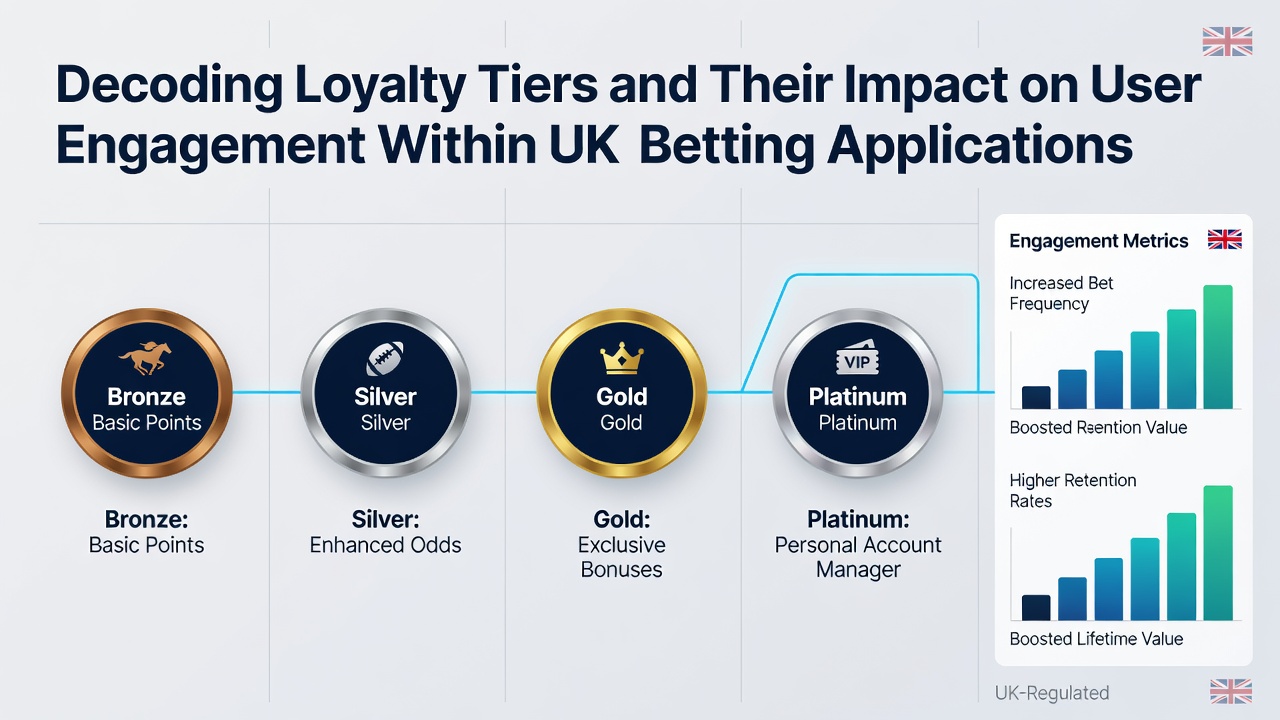
UK betting applications have incorporated tiered loyalty programs as a core mechanism for structuring user rewards, with systems that assign levels such as bronze, silver, gold, and platinum based on accumulated activity metrics including wager volume, deposit frequency, and account tenure. These frameworks operate through points-based calculations where each bet contributes to a running total that determines tier placement, and data from industry reports indicates that participants in higher tiers demonstrate elevated patterns of repeated logins and session durations compared to entry-level users. Observers note that the structure encourages sustained interaction because progression unlocks incremental perks, creating a feedback loop where engagement feeds further advancement within the system.
How Points Accumulation and Tier Progression Function
Points systems in these applications typically convert betting stakes into loyalty credits at rates that vary by product type, with sports wagers often yielding higher returns than casino spins, while deposit bonuses provide multiplier effects on initial tier movement. Users advance when they reach predefined thresholds, and once achieved a tier usually remains stable for a set period such as 30 or 90 days before requiring renewal through continued activity. This renewal requirement maintains momentum, as figures reveal that accounts which drop tiers experience measurable declines in weekly active usage according to aggregated platform analytics shared in sector reviews. Researchers have documented that the progression mechanics resemble those found in airline and retail loyalty models, adapting proven retention tactics to the mobile gambling environment prevalent across British operators.
Benefits Distributed Across Loyalty Levels
Entry tiers grant basic cashback percentages and standard bonus eligibility, whereas mid-level placements introduce enhanced odds boosts, priority customer support queues, and access to exclusive event promotions. Top-tier participants receive personalized account management, accelerated withdrawal processing, and tailored reward packages that include physical event tickets or merchandise, elements that correlate with longer average lifetime values per user in datasets examined by academic groups. One study revealed that operators deploying these graduated benefits see shifts in user behavior, including increased cross-product exploration between sportsbooks and casino sections, because tier status often carries over across different verticals within the same application ecosystem.
Measured Effects on Retention and Session Metrics
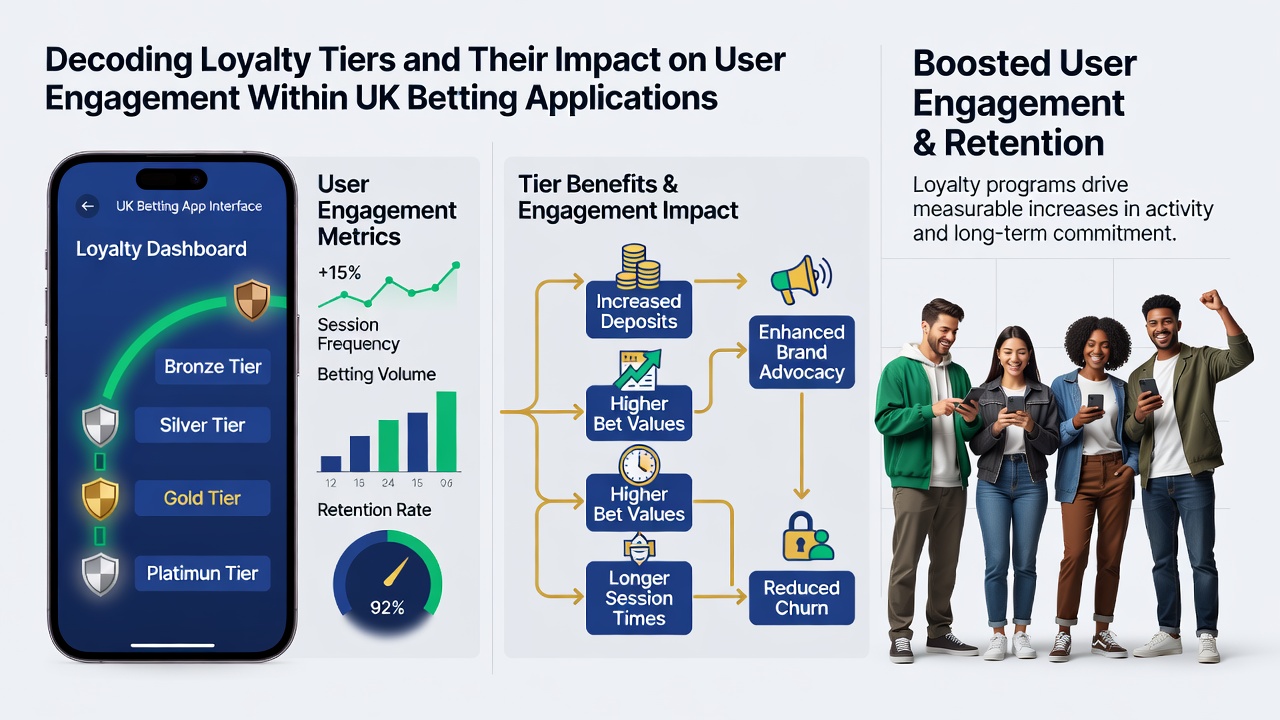
Engagement indicators tracked by platform operators show that loyalty tier members maintain higher retention rates over six-month windows, with platinum-level accounts logging in at frequencies up to three times those of non-tiered profiles. Data indicates that the visibility of tier progress bars and upcoming reward unlocks contributes to this pattern, prompting users to extend sessions to complete point requirements before reset cycles. In June 2026, several major applications introduced tier-linked live betting features that award bonus points for in-play decisions, a development that further integrated loyalty mechanics into real-time decision making and produced corresponding upticks in minute-by-minute activity logs. External analysis from the American Gaming Association highlights similar tiered structures in other markets where retention metrics improved after implementation, suggesting transferable dynamics that UK platforms have adapted to local regulatory conditions.
Integration with Broader User Journey Elements
Loyalty tiers interact with welcome packages and ongoing promotions by offering stackable rewards that multiply base offers for higher-level users, thereby extending the effective value of initial deposits across multiple betting cycles. This layering approach supports sustained deposit patterns, as participants aim to maximize tier-specific multipliers during promotional windows tied to major sporting calendars. Observers note that push notifications calibrated to tier status, such as alerts about exclusive accumulator boosts, generate click-through rates substantially above generic campaign averages in performance tracking conducted by marketing teams. The result appears in aggregated figures where tiered cohorts contribute disproportionate shares of total handle despite representing smaller portions of registered accounts.
Comparative Observations Across Major Platforms
Different operators calibrate their tier thresholds and reward densities to target distinct user segments, with some emphasizing rapid early progression to capture casual participants while others focus resources on sustaining long-term high-volume accounts through VIP concierge services. Case examples shared in industry forums demonstrate that applications balancing accessibility with aspirational benefits achieve broader distribution of tier placements, reducing concentration at the lowest level. Research from the Responsible Gambling Council in Canada points to parallels in loyalty program design that influence time-on-site metrics, providing a reference point for understanding how UK applications structure their own systems to maintain competitive positioning within the domestic market.
Conclusion
Tiered loyalty mechanisms in UK betting applications function as structured pathways that link user activity directly to escalating benefits, producing observable differences in engagement duration, frequency, and cross-product participation. The systems rely on transparent point tracking and periodic renewal requirements that sustain momentum, while benefit differentiation across levels creates clear incentives for continued platform interaction. Data collected through 2026 reflects these patterns consistently across multiple operators, underscoring the role of loyalty architecture in shaping measurable user behaviors within the sector.