Navigating Interconnected Incentive Systems in Britain's Digital Gambling Platforms
Written by Otto Keller · Jun 14, 2026
Navigating Interconnected Incentive Systems in Britain's Digital Gambling Platforms
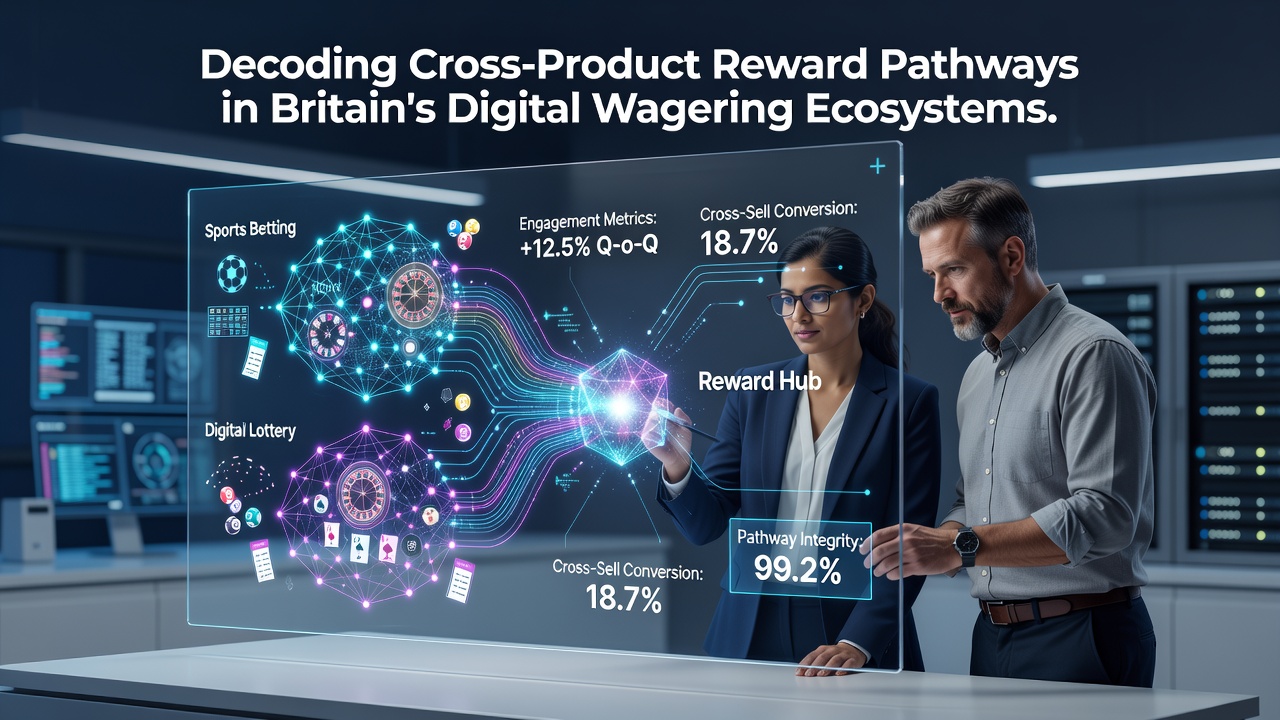
British digital wagering platforms have developed sophisticated systems that link rewards across sports betting, casino offerings, and poker rooms, creating pathways where activity in one product influences bonuses available in others. These mechanisms operate through shared loyalty accounts, point accumulation rules, and tiered status levels that span multiple verticals on the same operator site. Data from industry reports indicates that such integration has expanded steadily since 2024, with operators tracking user engagement across categories to adjust reward delivery in real time.
Core Components of Cross-Product Pathways
Operators structure these pathways around centralized player accounts that record activity from football accumulators, slot sessions, and tournament entries in a single ledger. Points earned through one product convert into credits or free spins usable elsewhere, while status tiers unlock enhanced multipliers that apply universally. Researchers at academic institutions have documented how these conversions follow preset ratios, such as every 10 sports betting points equaling one casino spin credit, with adjustments made during promotional windows. The systems rely on backend algorithms that monitor session length and stake size to trigger personalized offers, ensuring that high-volume users in horse racing receive targeted poker freeroll invitations within the same ecosystem.
June 2026 figures show continued refinement of these integrations, as operators responded to seasonal sports calendars by boosting conversion rates between live betting and casino drops. External analyses from bodies like the Nevada Gaming Control Board highlight parallel developments in other jurisdictions, where similar multi-product tracking has increased overall session frequency without requiring separate logins for each vertical.
Data Patterns Across Platforms
Industry statistics reveal that users who engage with at least two product types generate higher cumulative point totals than single-vertical participants. One study from a Canadian research consortium found that integrated reward users completed 35 percent more transactions per month on average, with pathways directing winnings from sports into casino play through automatic cashback loops. British platforms employ comparable structures, logging transfers between categories in user dashboards that display remaining balances and upcoming eligibility thresholds.
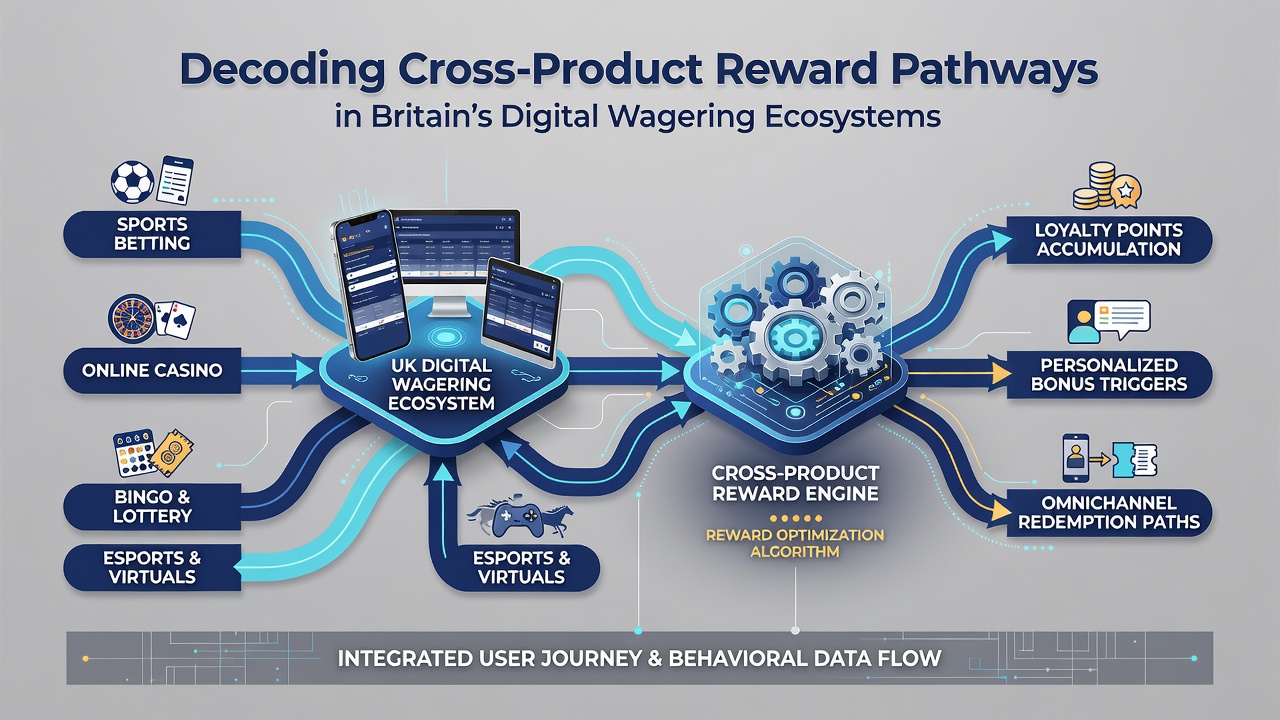
Platform operators segment these pathways by user tenure, offering new registrants accelerated conversion rates during initial weeks while long-term users access legacy point pools that carry over across quarters. Observers note that June 2026 coincided with updates to these segments, as major events in football and racing prompted temporary boosts to inter-product transfer limits. Figures from the European Gaming and Betting Association indicate that such adjustments align with broader European trends in loyalty architecture, where operators prioritize retention through unified reward ledgers rather than isolated promotions.
Technical Implementation and User Flow
The technical backbone consists of API connections between different game servers that update a central rewards database in real time. When a user places a bet on a tennis match or completes a poker hand, the system logs the outcome and applies it toward shared milestones. Users navigate these flows through mobile app menus that list available conversions, such as trading racing points for casino deposit matches, with confirmation screens displaying exact exchange values before execution. Those who've examined the code structures report that conditional triggers activate based on combined metrics, for instance requiring both sports volume and casino time to unlock higher poker rakeback percentages.
Operators test these flows through A/B rollouts, measuring completion rates for pathway steps across demographic groups. Data indicates that streamlined interfaces reduce drop-off during conversions, while complex menus correlate with lower overall engagement. June 2026 updates introduced simplified dashboards on several sites, consolidating multiple product balances into single views that highlight pending rewards from each category.
Regulatory Context and Reporting Standards
British platforms must comply with rules governing bonus transparency, which extend to how cross-product offers are presented. Authorities require clear disclosure of conversion terms and expiration policies, with operators submitting quarterly summaries that detail pathway usage volumes. International comparisons, including reports from Australian regulatory frameworks, show that similar transparency mandates have shaped reward designs elsewhere, prompting British operators to standardize language across product pages. Academic papers on digital gambling systems emphasize that these reporting obligations create datasets useful for analyzing how integrated rewards influence player behavior over time.
Conclusion
Cross-product reward pathways in Britain's digital wagering ecosystems function through unified tracking systems, conversion protocols, and tiered incentives that span sports, casino, and poker verticals. June 2026 data reflects ongoing refinements to these structures, driven by seasonal events and technical updates. Industry sources and research institutions continue to document usage patterns that demonstrate the operational scale of these interconnected mechanisms across major platforms.