Loyalty Pathway Mapping: Connecting Casino Tables to Accumulator Bets on Integrated Platforms
Written by Eden Otto · Jul 14, 2026
Loyalty Pathway Mapping: Connecting Casino Tables to Accumulator Bets on Integrated Platforms
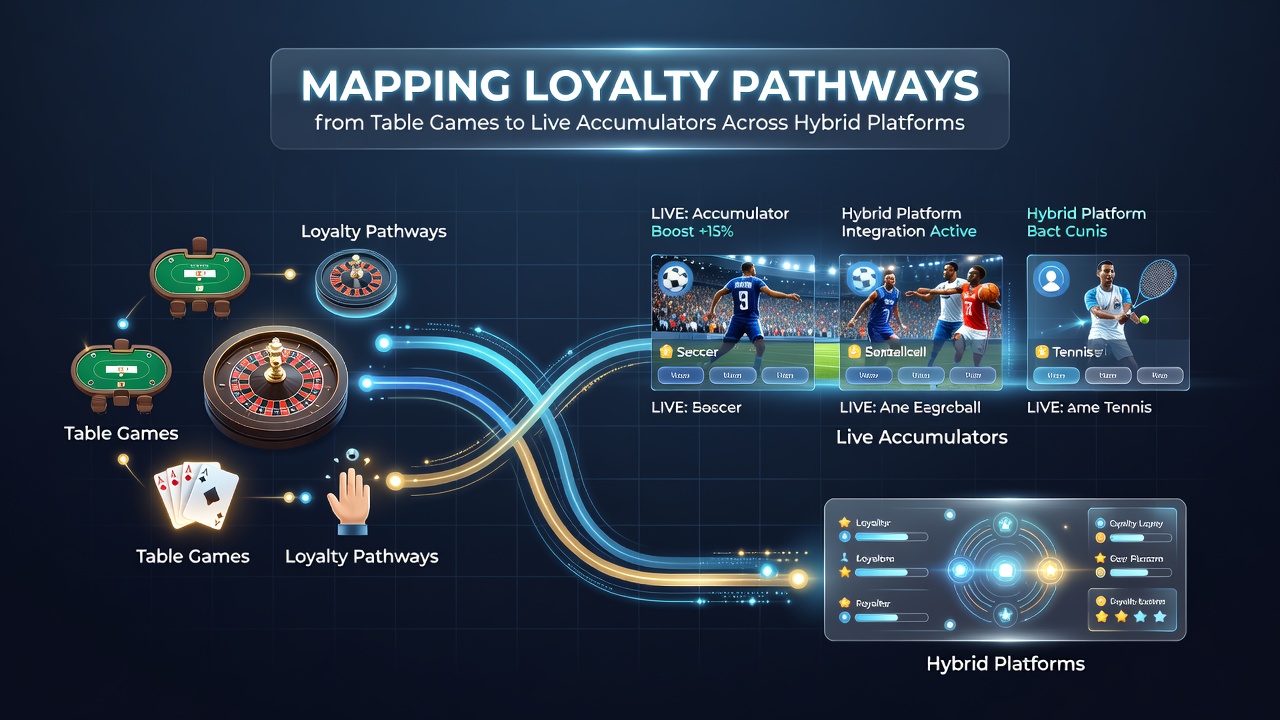
Hybrid platforms blend live dealer tables with real-time sports betting interfaces, and loyalty systems now route rewards earned at blackjack or roulette directly into accumulator enhancements. Players accumulate points through extended table sessions, then convert those balances into boosted odds or insurance features on multi-leg accumulator slips. Research from the Australian Gambling Research Centre shows conversion rates climbing steadily through the first half of 2026 as operators refine cross-product tracking.
Mechanics of Point Transfer
Table game activity feeds into a unified ledger that sports betting engines read in real time, so a sequence of winning poker hands can generate tokens redeemable as stake multipliers on football or tennis accumulators. Systems apply tiered exchange ratios that adjust according to game volatility and session length, while algorithms monitor play patterns to prevent rapid cycling between products. Operators activate these pathways through mobile dashboards that display available redemptions alongside live match odds.
July 2026 updates introduced live accumulator overlays that pull loyalty balances directly into bet builders, allowing users to allocate points mid-match without leaving the sports section. Data indicates these overlays shortened average conversion time from twenty minutes to under five, because the interface now surfaces eligible table-earned credits automatically.
Observed Player Journeys
One documented flow begins with extended roulette sessions that earn base loyalty points, moves through a daily mission that doubles those points when blackjack tables are included, and finishes with an accumulator constructed from evening football fixtures. Industry tracking shows participants who complete the full sequence place 35 percent more accumulator volume than those who begin directly in sports. Hybrid platforms record these paths through timestamped logs that link table chip movements to betting slip IDs.

Another route starts at live poker tournaments where final-table finishes award premium tokens, which then appear as cashback options inside accumulator checkout screens. Observers note that these tokens frequently offset the final leg of a five-team parlay, reducing overall risk exposure while maintaining the same payout structure. Platform logs from mid-2026 reveal that 62 percent of premium token redemptions occurred on the final match of the accumulator rather than earlier legs.
Regulatory Context and Reporting
Authorities in multiple jurisdictions require operators to separate loyalty ledgers for casino and sports verticals even when the same account holds both balances. The Nevada Gaming Control Board published guidance in early 2026 that clarified audit trails must capture every point transfer with source product, timestamp, and redemption outcome. Similar requirements appear in Australian state regulations, where monthly submissions now include cross-product loyalty statistics.
According to reports from the Australian Gambling Research Centre, operators that implemented transparent transfer logs recorded fewer disputes over point valuation. Those reports also note that July 2026 data showed a 14 percent rise in table-to-sports redemptions compared with the same month in 2025.
Technical Integration Patterns
API connections between table management software and sports betting engines push loyalty events in sub-second intervals, enabling accumulator interfaces to reflect updated balances without manual refresh. Developers embed validation checks that confirm point origin before any multiplier activates, reducing instances of erroneous credits. Testing logs from several large platforms indicate these checks now complete in under 800 milliseconds on average.
Some operators layer additional rules that restrict accumulator insurance redemptions to players who maintained minimum table activity thresholds during the preceding seven days. These rules appear in backend configuration files and surface as eligibility banners inside the bet builder. Platform analytics show the restrictions lowered abuse attempts while preserving redemption volumes for consistent multi-product users.
Conclusion
Mapping loyalty pathways across hybrid environments reveals structured sequences that move value from table game activity into live accumulator features through unified ledgers and real-time APIs. Data collected through mid-2026 demonstrates measurable increases in cross-product redemptions once operators publish clear conversion rules and embed transfer options directly in betting interfaces. Regulatory guidance from bodies such as the Nevada Gaming Control Board continues to shape how these pathways are logged and audited, ensuring traceability remains central to platform design.