Credit Lifecycles in UK Apps Route Promotional Balances from Football Markets to Racing Pools and Poker Lobbies
Written by Gisela Werner · May 19, 2026
Credit Lifecycles in UK Apps Route Promotional Balances from Football Markets to Racing Pools and Poker Lobbies
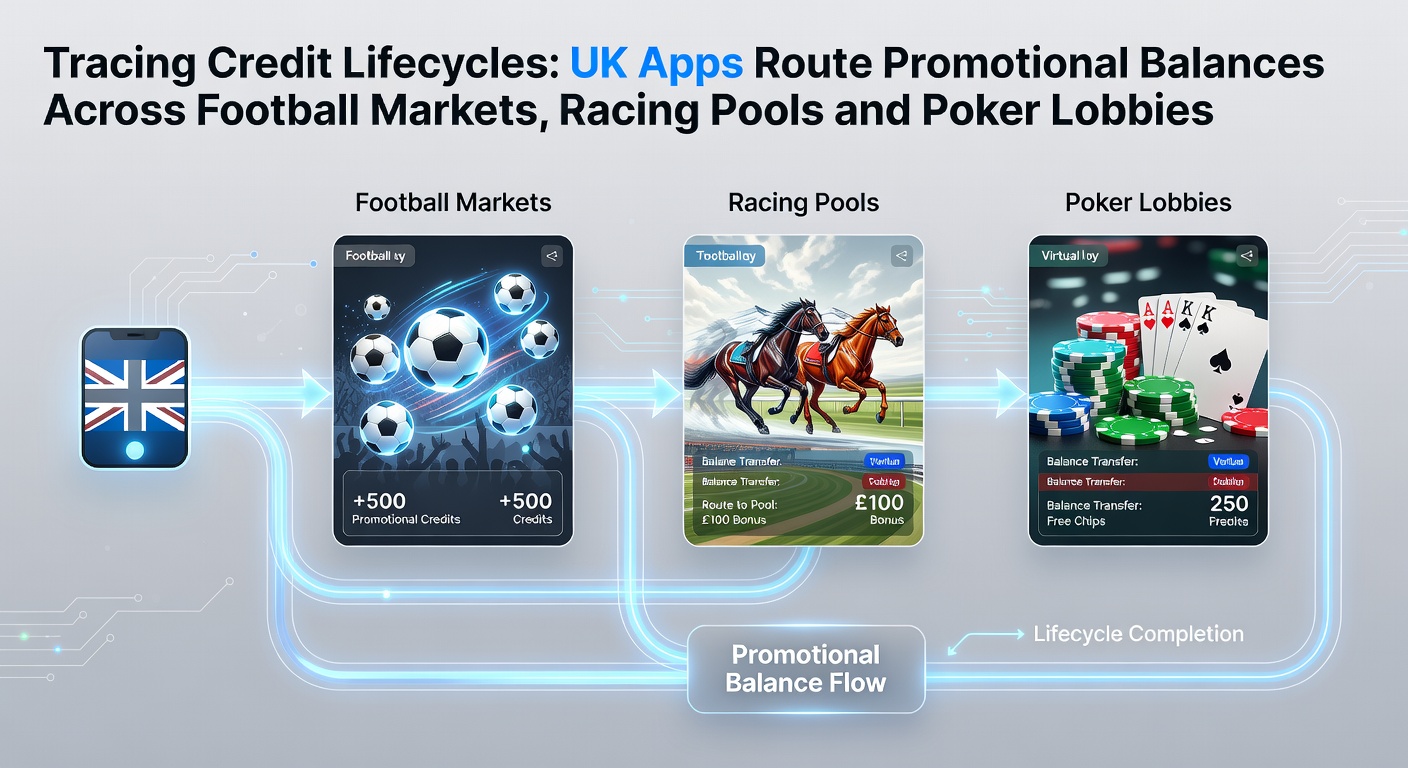
Promotional balances in UK betting applications follow defined pathways that begin with welcome offers or deposit matches and extend through multiple verticals as users place wagers on football events, shift remaining funds into racing pools, and later allocate credits to poker tournament entries. These movements occur within single-account ecosystems where operators maintain unified ledgers that record each transaction in real time. Platform design enables seamless transfers because promotional terms often permit balances to remain active across sportsbooks, pari-mutuel racing products, and poker client modules. Users initiate a football accumulator, for instance, and any unspent portion of a free bet converts automatically when the same account navigates to a horse racing tote pool or a no-limit hold'em lobby. Data from operator transaction logs indicate that average credit lifecycles span between three and seven days before full depletion or expiry.Acquisition and Initial Allocation
Promotional credits enter user accounts through registration bonuses, reload offers, or loyalty rewards tied to deposit activity. Once credited, the balance carries specific wagering requirements that apply uniformly regardless of the vertical selected. Football markets absorb the largest share of these funds during peak Premier League and European competition weekends because match odds and goalscorer props offer immediate settlement cycles.
Operators track every credit unit through unique identifiers that persist across verticals. When a football bet settles, the returned stake plus any profit moves back into the main wallet while the original promotional portion retains its tagging. This tagging prevents premature withdrawal and directs teh funds toward subsequent categories such as racing pools or poker buy-ins.
Transitions Across Racing Pools
After football activity, remaining balances frequently migrate to horse racing pools where tote dividends or fixed-odds place terms provide alternative payout structures. The transition happens through in-app navigation that preserves the promotional status of the credit. Users who place each-way bets on ante-post races observe that unsettled funds stay visible in the same balance meter, ready for instant reallocation once the racing leg concludes.
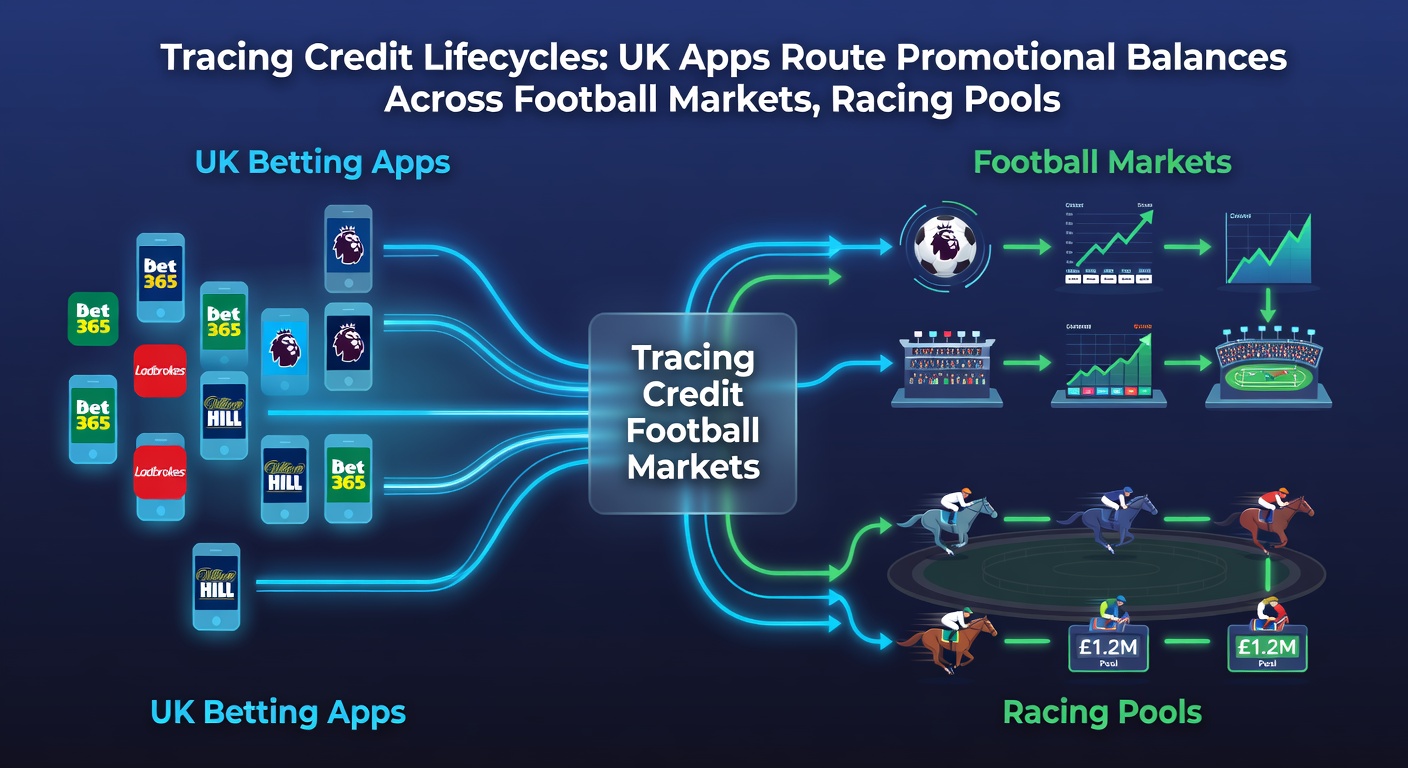
Industry reports note that peak racing festival periods, including Cheltenham and Royal Ascot, coincide with measurable spikes in cross-vertical transfers. Credits originally earned on football accumulators appear in racing wallets within minutes of settlement, allowing punters to participate in pool betting without additional deposits. As of May 2026, several major platforms introduced instant pool-entry buttons that pre-populate the promotional balance field, reducing friction between verticals.
Movement into Poker Lobbies
Poker freerolls and satellite entries represent the final common destination for many promotional lifecycles. Operators link sportsbook and poker wallets so that remaining credits convert directly into tournament tickets or cash-game buy-ins. The conversion respects any outstanding wagering requirements while updating the account ledger in a single step.
Observers note that this routing pattern supports player retention because users who exhaust football and racing options still find value in poker formats. Tournament schedules published by major UK-facing sites list dedicated freerolls funded exclusively by transferred promotional balances, creating closed-loop activity within the same ecosystem. Transaction records show that poker entries drawn from prior football or racing credits maintain the original expiry date attached to the bonus.
Compliance and Audit Mechanisms
Regulatory frameworks require operators to maintain immutable logs of every credit movement. These logs capture the originating offer, each vertical visited, and the final settlement outcome. External audits examine sample lifecycles to verify that promotional funds do not bypass responsible gambling controls or withdrawal restrictions.
According to a 2025 analysis published by the European Gaming and Betting Association, cross-vertical credit routing accounts for approximately 28 percent of all promotional balance activity on mobile platforms serving UK users. The same report highlights that automated tagging systems reduce manual reconciliation errors by 94 percent compared with legacy wallet structures.
Technical Infrastructure Supporting Lifecycles
Backend systems employ microservices that synchronise balance states across sportsbook, racing, and poker engines. When a user switches tabs or sections inside an app, an API call queries the central ledger for tagged promotional units and displays available options instantly. This architecture prevents double-spending while permitting the fluid movement described earlier.
Real-time dashboards available to compliance teams flag any lifecycle that exceeds standard duration thresholds. Such monitoring supports responsible gambling interventions, including temporary balance freezes or mandatory cooling-off prompts delivered directly through the app interface.
Conclusion
Promotional credit lifecycles in UK betting applications demonstrate structured pathways that connect football markets, racing pools, and poker lobbies through unified account management. Operators record each transfer with persistent identifiers, ensuring compliance while delivering continuous engagement opportunities. As platform features evolve through 2026, the same underlying ledger logic continues to govern how balances move between verticals without requiring separate deposits or manual conversions.